

The evolution of gambling tracing its historical roots and cultural significance
The evolution of gambling tracing its historical roots and cultural significance
The evolution of gambling tracing its historical roots and cultural significance
The Origins of Gambling
The roots of gambling can be traced back to ancient civilizations, where it played a significant role in social and cultural practices. Archaeological findings suggest that the earliest forms of gambling emerged in China around 2300 BC, with rudimentary games of chance using dice. Similarly, ancient Egyptians also engaged in gambling activities, evident from artifacts depicting games similar to those we recognize today. Today, you can find australian online casinos that reflect this rich history.

In ancient Rome, gambling was widespread among all social classes, often intertwined with political and military events. The Romans utilized various gaming devices, including dice and betting on gladiatorial contests, making gambling an integral part of their entertainment culture. These early instances of gambling laid the groundwork for its evolution into more structured forms that we see in modern societies.
The Cultural Significance of Gambling
Gambling has held diverse meanings across different cultures throughout history. In many societies, it was seen as a means of social bonding, allowing individuals to connect over shared risks and rewards. In Native American cultures, for instance, traditional gambling games were often part of ceremonies and community gatherings, reinforcing social ties and cultural heritage.
Moreover, gambling has often been a reflection of societal values and attitudes toward risk and fortune. In some cultures, it embodies a spirit of adventure and chance, while in others, it is viewed with suspicion and caution. The differing cultural perceptions of gambling can influence not only its acceptance but also its regulation within societies.
The Rise of Organized Gambling
The 17th and 18th centuries marked a significant shift toward organized gambling with the establishment of state-sanctioned lotteries and public gaming houses. These developments were often motivated by the need for public funding, with proceeds from lotteries used to finance government projects. As gambling became institutionalized, it transformed from an informal pastime into a regulated industry.
This era saw the emergence of casinos in places like Venice and Monte Carlo, which became symbols of luxury and high society. The allure of these establishments attracted not only locals but also tourists seeking excitement and entertainment. The organization of gambling also paved the way for new games and betting formats, expanding the appeal to a broader audience.
The Impact of Technology on Gambling
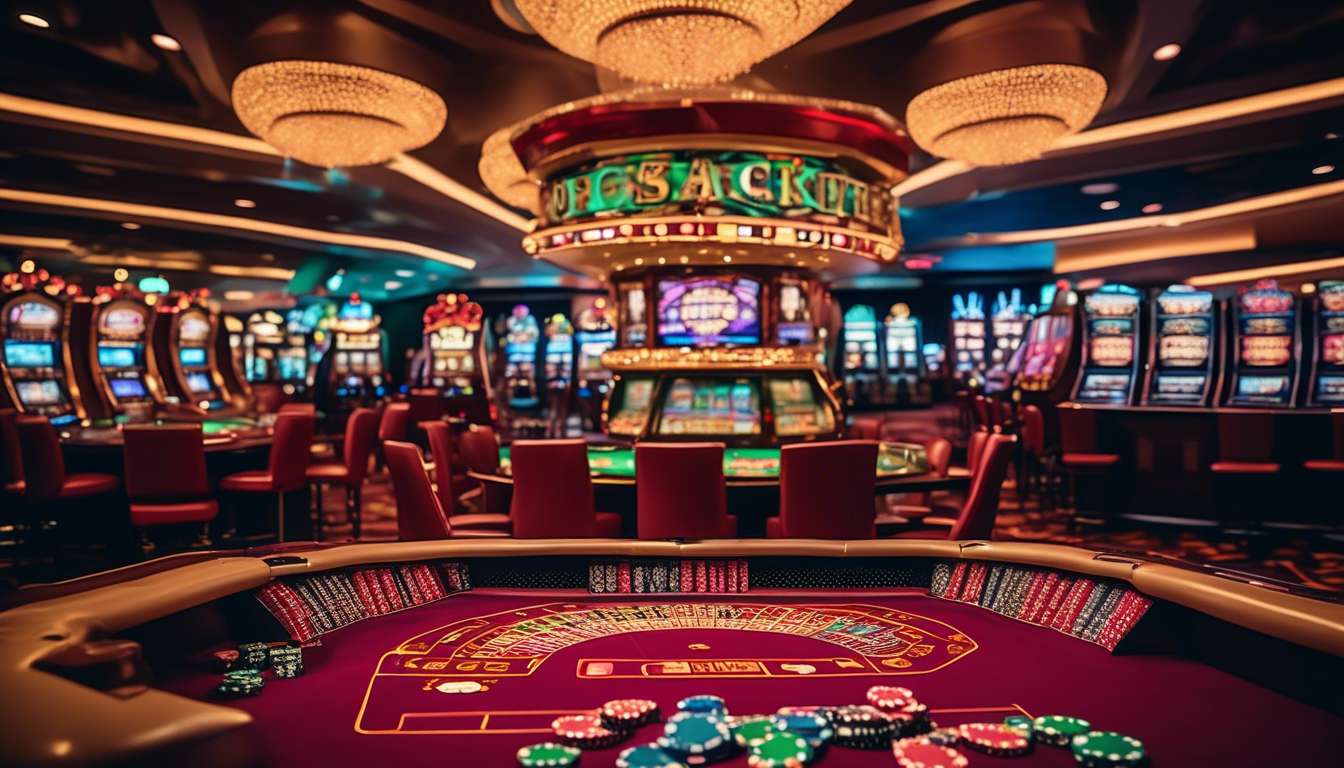
The 20th century introduced technological advancements that significantly impacted the gambling landscape. The invention of slot machines revolutionized gaming, making it accessible to a wider range of players. These machines, with their colorful designs and enticing sounds, became a staple in casinos, enhancing the overall experience of gambling.
With the advent of the internet in the late 20th century, online gambling emerged, allowing players to enjoy games from the comfort of their homes. This shift not only expanded the reach of gambling but also led to the development of innovative gaming formats, including live dealer games and mobile applications. The continuous evolution of technology in the gambling industry has created new opportunities for engagement and interaction, reshaping the way people experience this age-old pastime.
Exploring Modern Gambling Trends
Today, gambling encompasses a wide range of formats, from traditional casinos to online platforms, each offering unique experiences. The rise of online gambling has democratized access to various games, attracting millions of players worldwide. With generous bonuses and a plethora of game choices, online casinos cater to diverse preferences and playstyles.
As gambling continues to evolve, responsible gaming practices have become a focal point for both operators and players. The industry is increasingly emphasizing education on gambling behavior, promoting resources for those seeking help. The modern landscape of gambling reflects not only the historical roots and cultural significance of the practice but also the ongoing commitment to creating a safe and enjoyable environment for all participants.